Grasping how seasonal weather impacts landscape design in Glendale, CA 91020, is vital for homeowners and property managers seeking environmentally friendly, beautiful outdoor spaces. This guide explores the particular local climate challenges and effective solutions to create a flourishing landscape that adapts year-round.
Grasping Glendale CA’s Seasonal Weather Patterns
Glendale features a Mediterranean climate noted for warm, dry summers and mild, wetter winters. The temperature difference extends from chilly mornings in winter to heat waves during summer months. Seasonal rainfall chiefly occurs between November and March, with long dry periods during the gaps.
Humidity levels are generally moderate but can shift substantially depending on microclimates within Glendale, especially in shaded or elevated areas. Frost risk is low but not nonexistent during the coldest winter nights, particularly in shaded garden spots or higher elevations.
These seasonal weather patterns strongly influence landscape design decisions, requiring climate-responsive landscaping that balances water conservation with aesthetic appeal.
Impact of Seasonal Weather on Soil and Irrigation Practices
Soil in Glendale includes sandy loam to clayey types, affecting drainage and nutrient retention. Seasonal rainfall patterns demand careful irrigation planning to avoid overwatering during rainy months and drought stress in the summer.
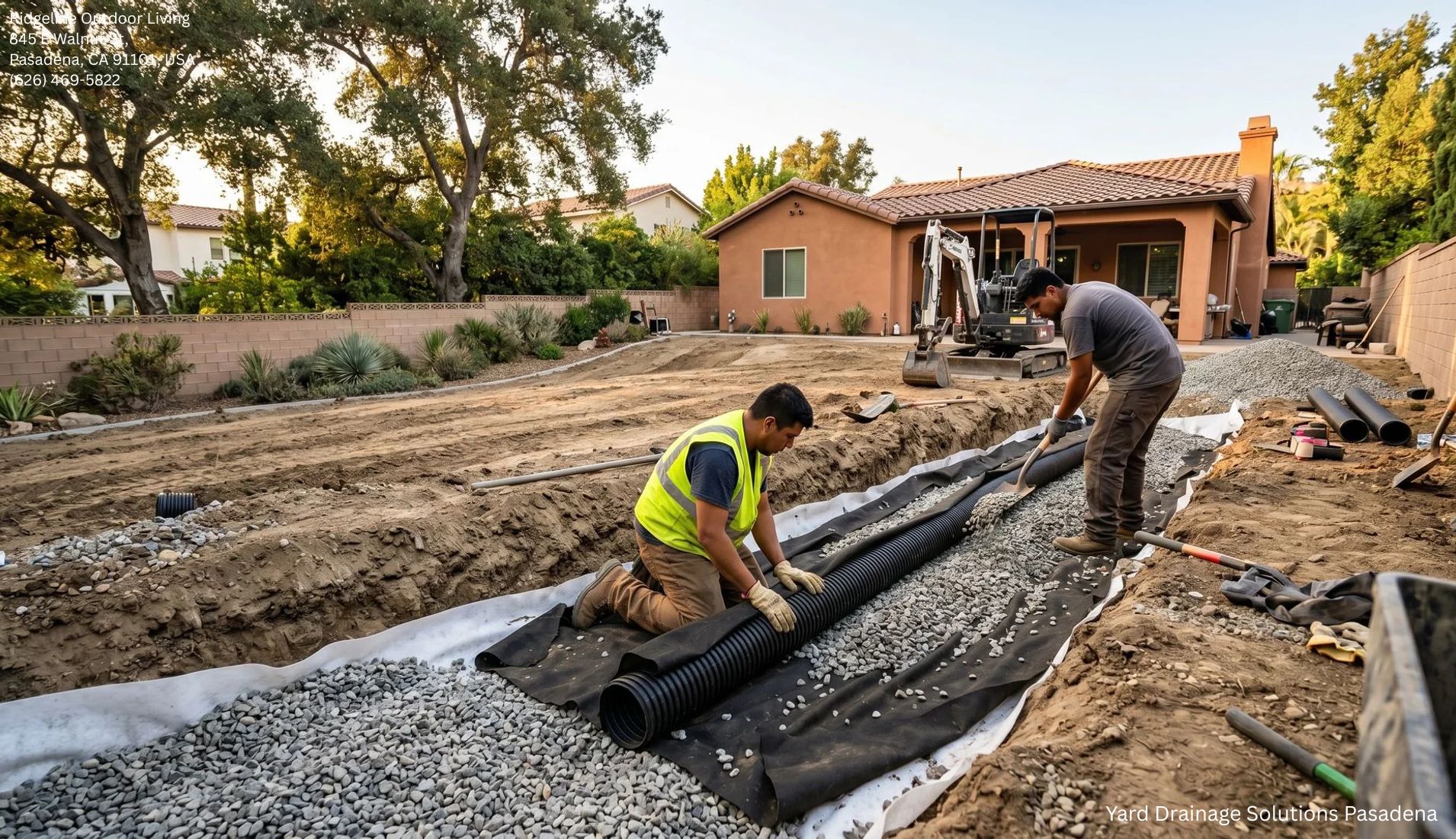
Stormwater management is essential in preventing soil erosion and maintaining proper drainage, especially on sloped properties. Incorporating composting and organic matter improves soil health, supporting moisture retention during dry spells.
- Use permeable surfaces to reduce runoff and support groundwater recharge. Set up rainwater catchment systems to augment irrigation during drought times.Place mulch layers to maintain soil moisture and prevent erosion.
Adapting Irrigation for Seasonal Rainfall Variability
Given Glendale’s distinct dry summers, drought-resistant practices such as xeriscaping are vital. Advanced irrigation systems like drip lines and smart controllers that modify watering schedules based on soil moisture and weather forecasts significantly minimize water waste.
Water features should be designed to reuse water where possible, limiting loss. Seasonal irrigation adjustments include reducing water frequency in winter and ramping up it prudently in custom hardscaping Pasadena peak heat months while observing soil conditions.
Plant Selection Strategies for Seasonal Adaptation
Choosing plants fitting to Glendale’s heat, fluctuating humidity, and occasional frost guarantees landscape resilience. Native plants tailored to local conditions supply natural hardiness, demanding less supplemental water and maintenance.
The mix of deciduous and evergreen species supports year-round visual interest and microclimate benefits such as shade and wind buffering. Deep-rooted plants improve soil stability and access deeper moisture reserves, key in drought-prone seasons.
Handling pest control becomes easier with plants that flourish naturally in the environment, cutting chemical use and promoting ecological balance.
Utilizing Native and Drought-Tolerant Plants
Xeriscaping principles, emphasizing native and drought-tolerant species, advance sustainability by preserving water and aiding local wildlife habitats. Examples include California poppy, ceanothus, manzanita, and various sages, hardscaping tips all ideal to Glendale’s climate.
This specific approach aligns with proven techniques for green landscaping, boosting garden longevity while lowering maintenance demands.
Developing Outdoor Living Spaces for Everyday Comfort
Thoughtful landscape design accounts for Glendale’s seasonal sun exposure and wind patterns to enhance comfort and usability. Strategic placement of shade trees reduces heat stress during summer, while open areas make the most of winter sunshine.
Shade structures such as pergolas or retractable awnings deliver adaptable shelter. Durable outdoor furniture and weather-resistant lighting increase usability into evenings and cooler seasons.
Considering microclimate effects increases outdoor living pleasure, minimizing reliance on artificial heating or cooling.
Incorporating Shade and Wind Protection Features
Hardscaping elements like walls or hedges act as windbreaks that protect sensitive plants and create cozy retreats. Strategically planted shade trees not only cool spaces but also lessen water evaporation from soil, benefitting surrounding vegetation.
Landscape architecture plans should include these features seamlessly to meld aesthetics with function throughout diverse weather conditions.
Seasonal Maintenance and Landscape Care
Preserving a healthy landscape in Glendale requires season-specific tasks aligned with plant growth cycles and weather patterns. Pruning stimulates vigorous spring growth and trims plants before summer drought stress.
Mulching helps roots in hot months and preserves moisture. Lawn care changes according to seasonal temperature and precipitation, often including overseeding or aeration in cooler months.
Pest control strategies develop to address increased insect activity in warmer periods without damaging beneficial species.
Enhancing Landscape Aesthetics Through Seasonal Changes
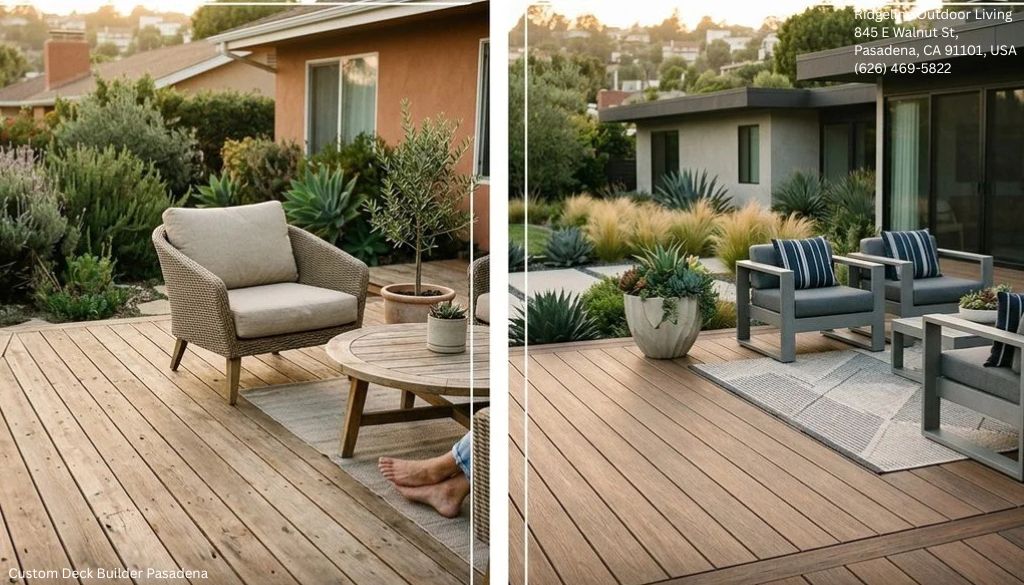
Incorporating plants with varied blooming times guarantees uninterrupted seasonal color and vibrancy. Utilizing seasonal decor, such as blooming annuals in spring and drought-tolerant perennials in summer, makes gardens appealingly dynamic.
Preparing for seasonal rotation enhances curb appeal and demonstrates Glendale’s natural rhythm, forming symmetrical and welcoming outdoor environments.
Employing Technology for Climate-Smart Landscaping
Smart irrigation systems featuring soil moisture sensors and climate-responsive controllers optimize water use in Glendale’s changing seasons. Real-time weather forecasting tools permit landscapers to coordinate irrigation and maintenance successfully, minimizing waste during rain events.
Integration of technology aids sustainable landscaping goals by boosting efficiency, lowering costs, and conserving valuable resources.
Wildlife-Friendly Landscape Design in Glendale
Creating with native pollinators and bird-friendly plants enhances ecological balance and preserves local biodiversity, even as seasons transition. Creating habitats that supply food and shelter helps both wildlife and gardeners seeking vibrant, lively spaces.
Native plant clusters, water sources, and limited pesticide use collaborate to promote a healthy environment throughout the year.
Environmental Impact and Sustainable Material Choices
Preferring eco-friendly materials such as permeable pavements and recycled hardscape components reduces environmental footprint while addressing Glendale’s stormwater challenges.
Green roofs and bioswales aid carbon footprint reduction and natural water filtration, strengthening climate-adapted landscape design principles.
Frequently Asked Questions
- How do temperature extremes in Glendale affect plant selection? Vegetation must tolerate summer heat and intermittent winter chill, selecting species with heat tolerance and mild frost resistance. What are the best native plants for drought conditions in Glendale, CA?California poppy, manzanita, sage, and ceanothus are superb drought-tolerant natives. How should irrigation systems be adjusted throughout the seasons?Decrease watering during winter rains, step up gradually in summer, and use smart controllers to respond to real-time conditions. What maintenance tasks are critical during Glendale’s dry summer months?Thorough watering, mulching, pruning for water conservation, and pest monitoring are necessary. How can I protect my garden from frost damage in winter?Use frost cloths, select frost-resistant plants, and create microclimates with wind protection. Are there particular landscaping materials better suited for Glendale’s climate?Permeable pavements, natural stone, and recycled materials cope with drainage and heat stresses well. How does Glendale’s seasonal humidity impact pest control strategies?Moderate humidity can amplify fungal risks; integrated pest management and careful watering lessen problems.
Seasonal weather profoundly affects landscape design choices in Glendale, CA 91020. By recognizing local climate patterns—from temperature swings to variable rainfall—homeowners and professionals can create resilient, sustainable gardens that thrive year-round. Incorporating native plants, adapting irrigation practices, designing comfortable outdoor spaces, and leveraging technology are key strategies for successful landscape management. Embrace these insights to improve your Glendale property’s beauty and environmental stewardship today.
Ridgeline Outdoor Living
Ridgeline Outdoor Living is a Pasadena-based landscape design-build company serving Greater Los Angeles with custom outdoor living, hardscape, and drought-tolerant landscape solutions. The company specializes in patios, retaining walls, outdoor kitchens, drainage, hillside projects, and turnkey landscape construction, handling projects from design and permitting through final build and warranty.
Address:
845 E Walnut St,
Pasadena,
CA
91101,
United States
Phone: (626) 469-5822
Map: View on Google Maps
Business Hours:
- Monday – Saturday: 8:00 AM – 6:00 PM
- Sunday: Closed
Follow Us: