Knowing the details of commercial landscape construction projects is important for property owners, developers, and project managers who want to achieve a smooth outdoor transformation. From initial planning to maintenance, this guide describes each phase with insight, assisting you handle the process effectively.
1. What Are the Main Phases of a Commercial Landscape Construction Project?
Commercial landscape construction entails thorough project management comprising several crucial phases that define the project's success. Initially, a complete client consultation identifies goals, budget, and site purpose, determining the overall project scope.
The next step is an in-depth site analysis assessing topography, soil quality, existing vegetation, and potential environmental impacts. This review guarantees that the design plan aligns with the unique site conditions while following local regulations.
Once data is assembled, landscape architects draft detailed CAD drawings and blueprints featuring both hardscape and softscape elements, thoughtfully balancing functionality and aesthetics.
Simultaneously, careful budgeting and cost estimation are performed, factoring in labor, materials, equipment, permits, and unforeseen expenses. Securing necessary permits and guaranteeing regulatory compliance establish legal approval for construction.
With approvals in hand, project scheduling plans timelines for procurement, excavation, installation, and inspections to keep progress efficiency. The construction and installation phase then carries out grading, irrigation setup, planting, lighting installation, and building hardscape components such as pathways, fencing, and retaining walls.
Throughout the build, continuous inspections and quality control guarantee compliance with design standards and safety regulations. Finally, a maintenance plan is created to promote the landscape’s longevity and sustainability post-completion.
2. How Is the Site Prepared Before Construction Begins?
Thorough site preparation
lays the basis for successful landscape construction. It starts with a in-depth site analysis reviewing soil composition, drainage patterns, slope, and existing vegetation. This information steers the elimination or preservation of plant life.
The area is emptied of debris, old structures, and unwanted vegetation while carrying out erosion control measures to shield sensitive environments during construction activities.
Excavation and grading follow, modifying land contours to promote effective water runoff and structural stability for subsequent hardscape installations. The soil is then conditioned through aeration and supplementing nutrients to improve plant health and rooting capacity.
Safety is paramount; therefore, temporary barriers and signage are erected according to safety regulations to defend workers and passersby during site operations.
Coordination with environmental authorities ensures minimization of any unfavorable ecological impacts, preserving biodiversity and following local guidelines.
3. What Are Hardscape and Softscape Elements in Commercial Landscaping?
Commercial landscapes combine two primary components: hardscape and softscape. Understanding their purposes helps create well-proportioned and functional outdoor spaces.
Hardscape elements consist of the non-living structural features such as paved pathways, patios, retaining walls, fencing, outdoor lighting, water features, and seating areas. These ensure durability, accessibility, and visual structure to the landscape design.
Conversely, softscape elements include all living components including turf installation, tree planting, shrubbery, ground cover plants, flower beds, and mulch. These elements contribute natural beauty, texture, color variation, and environmental benefits like shade and air purification.
A harmonious blend of both guarantees that the landscape is aesthetically pleasing, functional, and sustainable, complying with the original design plan.
4. How Is Irrigation and Drainage Incorporated in Commercial Landscape Projects?
Efficient irrigation and drainage systems are vital for supporting plant health and defending the site from water-related damage.
Irrigation setups are designed to meet the demands of distinct plant species and site layout, utilizing drip lines, sprinklers, or smart controllers that modify watering based on weather conditions, thus promoting sustainability and water conservation.
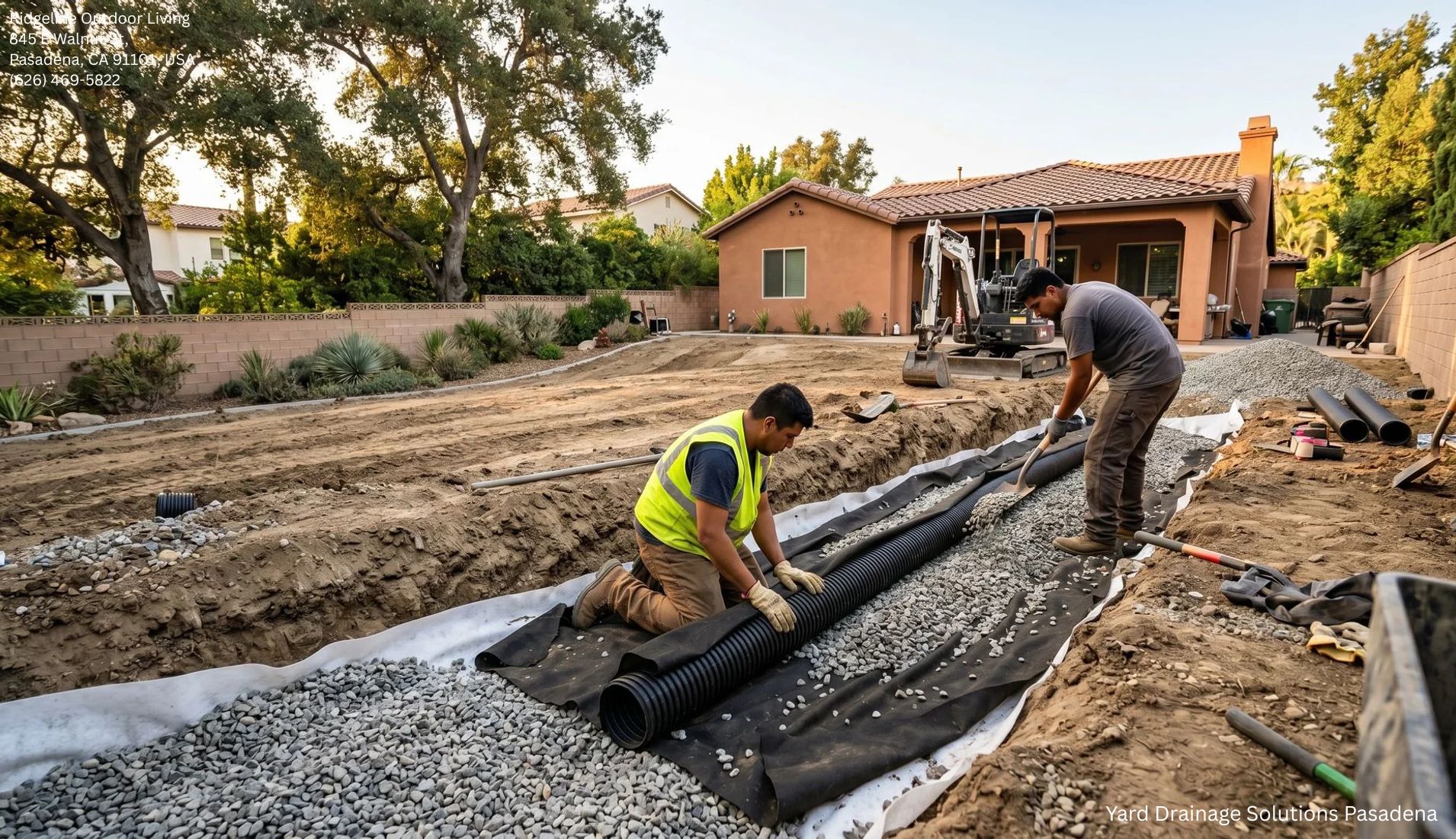
Drainage options consist of installing French drains, swales, or underground piping flagstone patio Pasadena to guide excess water away, avoiding erosion and waterlogging.
Water features are often integrated to elevate aesthetics while contributing to rainwater capture or reuse strategies, complying with environmental stewardship objectives.
All systems must comply with local environmental guidelines to limit runoff pollution and diminish the project's ecological footprint.
5. What Role Do Permits, Zoning, and Safety Regulations Play in These Projects?
Observance of permits, zoning, and safety regulations is necessary to confirm commercial landscape projects advance legally and safely.
Before construction starts, acquiring the proper permits from municipal authorities validates that the project meets land use laws, building codes, and environmental policies.
Zoning laws determine permissible uses of the property and influence design elements, especially regarding structures, lighting, and water features.
Compliance with safety regulations, including OSHA standards, shields workers and the public throughout the construction phase. This entails proper signage, hazard mitigation, and correct handling of materials and equipment.
Frequent inspections ensure that construction activities satisfy all legal and quality criteria, preventing costly revisions or penalties.
6. How Are Contractors, Suppliers, and Materials Managed During Construction?
Successful commercial landscaping calls for efficient coordination among landscape contractors, subcontractors, suppliers, and project managers to sustain workflow and quality standards.
Contractors are meticulously picked based on expertise and certifications to perform specialized tasks ranging from grading and irrigation to landscape installation and lighting.
Consistent suppliers deliver quality materials such as native plants, soil amendments, paving stones, and lighting fixtures. Their deliveries are scheduled punctually to coincide with construction phases, reducing delays and storage issues.
Tool rental and labor assignment are handled proactively to respond to project needs, optimizing resource utilization.
Modern project management tools enable smooth communication, schedule tracking, and issue handling among all stakeholders.
7. What Are Best Practices for Budgeting and Scheduling in Commercial Landscape Construction?
Proper budgeting and scheduling are essential parts of delivering commercial landscape projects on time and within financial limits.
Cost estimation should cover all direct and indirect charges including labor, materials, permits, equipment rentals, and contingencies for unexpected challenges.
Project timelines need practical planning incorporating logical sequencing of tasks, factoring in seasonal weather variations and supplier lead times.
Milestones and buffer periods enable teams to stay focused, while regular reviews monitoring projected versus actual costs enhance fiscal control and allow timely adjustments.
Leveraging technology for Gantt charts or scheduling software improves resource allocation and increases transparency.
8. How Does Sustainability Impact Commercial Landscape Construction?
Integrating sustainability into commercial landscaping decreases environmental impact and offers long-term economic benefits.
Selection of native vegetation lowers water and fertilizer demands while supporting local biodiversity. Implementing green infrastructure such as rain gardens and permeable paving helps manage stormwater naturally.
Use of eco-friendly construction practices and materials minimizes carbon footprint and waste generation.
Innovations like smart irrigation and renewable energy-powered lighting enhance operational efficiency and align with corporate social responsibility goals.
9. What Technologies Are Used in Landscape Architecture and Project Design?
Advanced technologies simplify landscape architecture and improve precision in project design.
CAD drawings and 3D modeling permit architects to see concepts accurately and make modifications before construction.
Aerial drones deliver clear property inspections and ongoing project tracking, allowing quick analysis of site situations and progress.
Building Information Modeling ( BIM) assembles diverse project components into a cohesive digital model, enabling collaboration among designers, contractors, and clients.
These tools contribute to minimizing errors, optimizing material use, and boosting communication throughout the project lifecycle.
10. How Is Maintenance Handled After Project Completion?
After project completion, a planned maintenance program is vital to maintain landscape aesthetics and functionality.
Tailored maintenance plans cover routine tasks such as pruning, turf care, mulching, and irrigation system checks adapted to specific plant species and site conditions.
Periodic inspections identify early signs of disease, pest infestation, or system malfunctions, permitting prompt interventions.
Property owners may train facility staff or contract professional landscape maintenance services to secure consistent care and compliance with warranty obligations.
Frequently Asked Questions
Q1: How long does a typical commercial landscape construction project take?
A: Timelines fluctuate based on project scale and complexity but usually range from several weeks to a few months, consisting of design, permitting, construction, and inspections.Q2: What is the difference between a landscape contractor and a landscape architect?
A: A landscape architect concentrates on design, regulatory compliance, and site planning, while a landscape contractor conducts physical construction and installation. 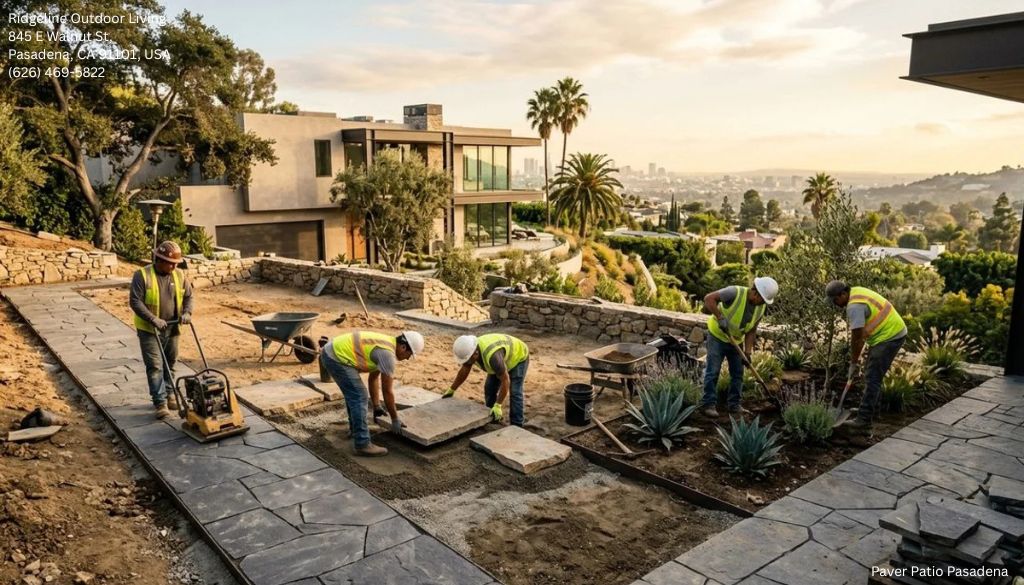
Q3: Are permits always required for commercial landscape projects?
A: Most projects demand permits related to zoning, grading, irrigation, and electrical work, though specifics vary by local jurisdiction.Q4: How can commercial landscaping improve property value?
A: Thoughtful landscaping enhances curb appeal, usability, energy efficiency, and environmental quality, jointly raising property value.
Q5: What sustainability practices should be included in commercial landscaping?
A: Include native plants, smart irrigation, permeable surfaces, and eco-friendly materials to foster sustainability.
Ridgeline Outdoor Living
Ridgeline Outdoor Living is a Pasadena-based landscape design-build company serving Greater Los Angeles with custom outdoor living, hardscape, and drought-tolerant landscape solutions. The company specializes in patios, retaining walls, outdoor kitchens, drainage, hillside projects, and turnkey landscape construction, handling projects from design and permitting through final build and warranty.
Address:
845 E Walnut St,
Pasadena,
CA
91101,
United States
Phone: (626) 469-5822
Map: View on Google Maps
Business Hours:
- Monday – Saturday: 8:00 AM – 6:00 PM
- Sunday: Closed
Follow Us: