Creating a beautiful outdoor space that blends with nature is now more important than ever. Environmentally sound landscaping techniques provide effective, eco-friendly ways to develop and upkeep landscapes and gardens that protect resources, encourage biodiversity, and minimize environmental damage. Whether you are a homeowner, landscape professional, or community organizer, grasping sustainable landscaping concepts enables you to establish vibrant green spaces that support both people and the planet.
Defining Sustainable Landscaping
Sustainable landscaping is an approach to landscape planning and upkeep that emphasizes environmental responsibility, resource conservation, and ecological balance. It involves applying landscaping techniques that minimize negative environmental impacts while supporting the health of ecosystems. At its core, sustainable landscaping incorporates principles such as water conservation, native plant selection, soil stewardship, and wildlife habitat creation to build resilient outdoor environments.
Essential eco-friendly landscaping concepts include:
- Minimizing water and chemical inputs through optimized irrigation and organic practicesSupporting biodiversity by planting native species and establishing diverse habitatsIncreasing soil health using composting and organic amendmentsUsing sustainable materials for hardscape features and structuresAdopting integrated pest management and wildlife-friendly designs
The advantages of sustainable landscaping reach past aesthetics. By embracing these methods, landscapes can alleviate urban heat island effects, reduce stormwater runoff, sequester carbon, and create essential refuges for pollinators and wildlife. Moreover, it assists conserve precious resources like water and soil while lowering maintenance costs over time.
Key Sustainable Landscaping Practices
Using Native Plants and Drought-Resistant Plants
One of the most crucial strategies in sustainable landscaping is incorporating native plants and drought-tolerant species. Native plants are suited to local climate and soil conditions, which makes them more manageable to grow and look after without additional water or fertilizers. Including a varied palette of native grasses, wildflowers, shrubs, and trees develops a rich habitat that nurtures pollinators such as bees, butterflies, and birds.
Adding components such as mulch or natural minerals adjusts pH and replenishes depleted nutrients. Soil erosion control: Using ground covers, contour planting, and retaining walls to avoid topsoil loss.
These approaches nurture a resilient environment where plants can flourish with limited inputs.
Sustainable Materials for Hardscaping and Structures
Hardscape elements can greatly affect the sustainability of an outdoor space. Utilizing renewable, recycled, or natural materials hardscaping tips reduces environmental impact. Explore using:
- Reclaimed wood: Salvaged timber reused for decks, fences, or pergolas minimizes deforestation. Natural stone: Durable and locally sourced stones provide long-lasting paths and borders. Permeable pavers: Facilitate water infiltration while providing stable surfaces. Green roofs and green walls: Vegetated surfaces that boost insulation, retain stormwater, and foster biodiversity. Vertical gardens: Space-efficient planting structures that provide greenery and air purification.
These materials improve aesthetic appeal while supporting sustainability through decreased waste and increased energy efficiency.
Pest and Wildlife Management
Keeping ecological balance includes managing pests in ways that safeguard beneficial organisms and local wildlife. Sustainable pest control methods comprise:
- Integrated pest management (IPM): Blending monitoring, biological controls, and cultural practices to limit chemical use. Eco-friendly pesticides: Using natural substances that degrade quickly and are safer for the environment. Wildlife corridors: Planning landscapes that link habitats, facilitating safe movement for animals. Wildlife-friendly gardening: Supplying food, shelter, and nesting sites for native species.
These actions support biodiversity and reduce negative impacts of conventional chemical pest treatments.
Additional Eco-Friendly Practices
In addition to plant selection and water management, other sustainable landscaping practices support overall ecosystem health and functionality:
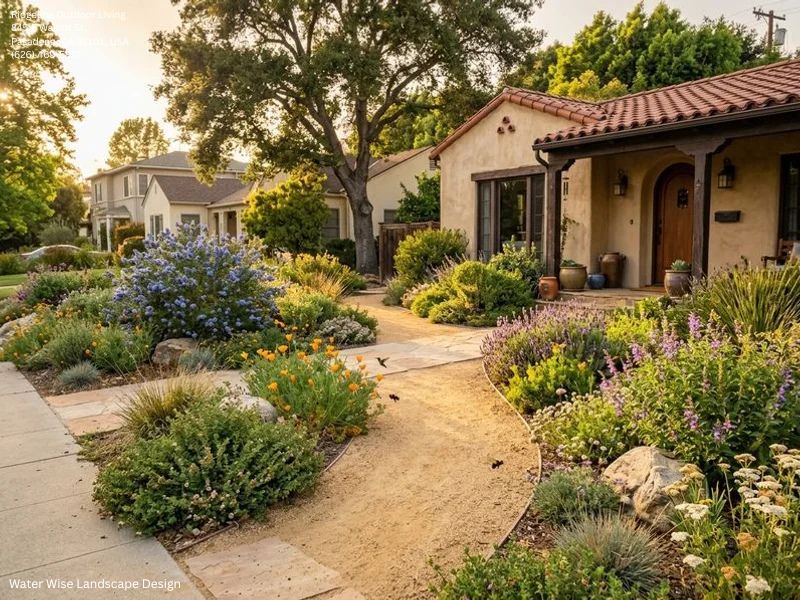
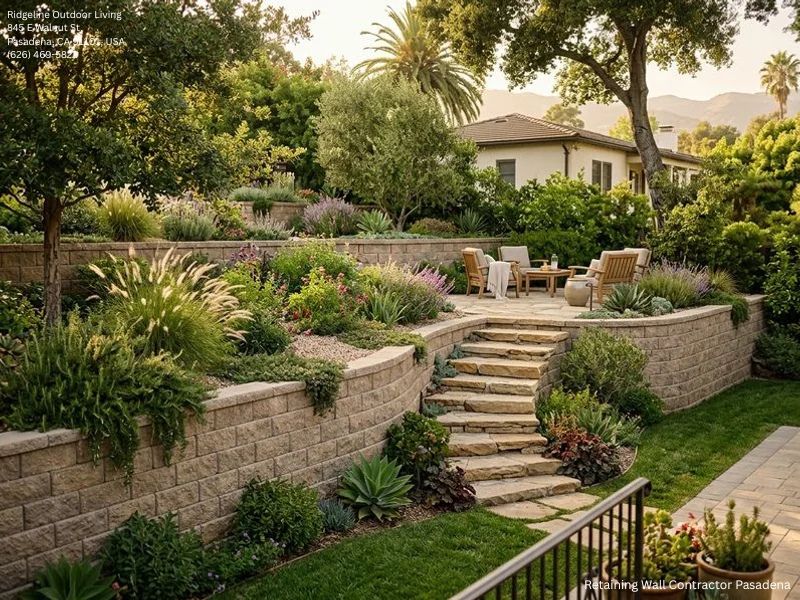
- Mulch and organic mulch: Limits undesirable plants, retains moisture, and enhances soil as it decomposes. Carbon sequestration through urban forestry: Establishing trees that capture and store atmospheric carbon dioxide. Windbreaks and shading trees: Minimize wind damage and ease microclimates, cutting energy demands. Garden zoning and microclimate management: Classifying plants depending on their sun, shade, and moisture needs for optimal growth. Low-maintenance gardening: Designing landscapes that demand minimal upkeep decreases labor and resource use. Energy efficiency with LED outdoor lighting: Implementing smart, low-power lighting cuts electricity consumption.
How to Design a Sustainable Landscape: Step-by-Step Guide
Planning a sustainable landscape demands detailed planning to adapt to local conditions and reach environmental goals. Use these steps to build your eco-friendly outdoor space:
- Site assessment and climate adaptation: Examine soil type, sunlight exposure, drainage, and regional climate to inform plant and material choices. Select appropriate sustainable plants and materials: Pick native and drought-resistant plants, plus reclaimed or renewable hardscape products. Incorporate water-saving features: Add drip irrigation, rainwater harvesting systems, and rain gardens to improve water use. Create pollinator-friendly zones: Designate areas with diverse flowering plants that flower across seasons to support beneficial insects. Implement soil health improvements: Include composting stations, spread organic fertilizers, and utilize mulch to boost soil fertility. Plan for habitat restoration: Integrate native shrubs, trees, and wildlife corridors that support local biodiversity. Maintenance tips for longevity and sustainability: Develop low-impact routines, such as minimal mowing, seasonal pruning, and pest monitoring.
Benefits of Sustainable Landscaping Solutions
The use of sustainable landscaping delivers multiple benefits across environmental, economic, and social dimensions:
- Environmental benefits: Notable water conservation, decreased chemical pollution, enhanced carbon capture, and increased habitat connectivity. Economic benefits: Reduced maintenance costs due to diminished watering, fertilizer, and pesticide needs; reduced energy use from shading and efficient lighting. Aesthetic and social benefits: Increased biodiversity creates lively, vivid landscapes; better property values; attractive outdoor spaces for community engagement.
Common Challenges and How to Overcome Them
Transitioning to sustainable commercial landscaping Pasadena CA landscaping may run into issues, but they can be resolved with knowledgeable strategies:
- Dealing with soil quality issues: Improve poor soils through organic amendments, cover crops, and biochar additions to increase fertility and structure. Managing pest problems sustainably: Employ integrated pest management practices and promote natural predators instead of depending on harsh chemicals. Balancing aesthetics with ecological function: Plan landscapes that are both pleasing and helpful of ecosystem services by combining varied plant types and textures. Budget considerations and cost-saving tips: Concentrate on long-term savings by investing in durable materials and native plants, implement phased implementation, and look for available grants or incentives.
Resources and Tools for Sustainable Landscaping
To improve your sustainable landscaping projects, discover these valuable resources:
- Recommended native plant databases: Local extension services and online platforms supply lists tailored to your region’s climate and soil. Guides on composting and organic fertilizers: Instructional materials help establish home composting systems and select natural soil amendments. Suppliers of sustainable materials: Look for vendors carrying reclaimed wood, permeable pavers, and eco-friendly landscaping products. Online tools for water conservation planning: Smart irrigation calculators, rain garden design guides, and moisture sensor apps assist in efficient water management.
Ridgeline Outdoor Living
Ridgeline Outdoor Living is a Pasadena-based landscape design-build company serving Greater Los Angeles with custom outdoor living, hardscape, and drought-tolerant landscape solutions. The company specializes in patios, retaining walls, outdoor kitchens, drainage, hillside projects, and turnkey landscape construction, handling projects from design and permitting through final build and warranty.
Address:
845 E Walnut St,
Pasadena,
CA
91101,
United States
Phone: (626) 469-5822
Map: View on Google Maps
Business Hours:
- Monday – Saturday: 8:00 AM – 6:00 PM
- Sunday: Closed
Follow Us: