Developing a stunning, efficient landscape in a tiny garden can be both thrilling and tough. With restricted area, it’s essential to use smart design principles that utilize every inch without overfilling. Whether you’re a householder or lessee, grasping how to blend design with functionality through careful garden layout, plant selection, and artistic hardscape features can convert your tiny garden into a tranquil retreat. This guide explores proven strategies to help you develop your limited yard effectively in 2025.
Key Fundamental Rules of Small Garden Planning?
Designing a compact yard needs a blend between compact design approaches and visual appeal. The key rules emphasize making the most of space while forming an pleasant environment that is landscape maintenance Pasadena CA low maintenance.
- Minimalist Landscaping: Prevent visual clutter by applying clear, sharp lines and reducing the range of plants and elements to establish a consistent design. Space Division: Set particular spaces such as sitting areas, green spaces, and walkways to organize the garden efficiently and guarantee each area has a clear purpose within the confined area. Color Palette Selection: Use a balanced and limited color palette to connect the space and create an illusion of more space it. Soft greens, soft hues, and one-color themes often work well to boost sense of room. Growing Vertically with Planters: Include vertical gardening techniques and container plants to conserve ground space while providing layers of greenery and texture at various levels. Intentional Garden Plan: Plan the positioning of modular furniture, dense foliage, and other elements attentively to keep openness and limit crowding.
Applying these guidelines, you can build a limited yard that feels spacious, well-arranged, and lovely.
How Can Container Plants and Vertical Gardening Optimize Compact Yard Areas?
Vertical gardens and planter pots are among the leading techniques for improving tiny yards without reducing area.
- Upright Gardening: Utilizing walls, fences, trellises, or freestanding structures helps you to cultivate climbing plants, herbs, or blooms vertically, transforming bare vertical walls into thriving, useful gardens. Container Plants and Planter Boxes: These introduce convenience by enabling you to move plants around, organize them by time or motif, and introduce greenery where in-ground planting isn’t possible. Seclusion and Aesthetic Charm: Creeping vines and container-grown trees on trellises can produce living privacy screens that temper fences and improve seclusion. Visual Points at Sight Height: Blooming vines, scented plants, and bonsai trees in pots position interest at the viewer's eye line, enriching sensory engagement without using floor area. Functional Herb Gardens: Vertical herb pots beside sitting or cooking spots offer fresh materials within close proximity.
These strategies allow you to multiply your planting area vertically while maintaining open ground space for pathways and seating.
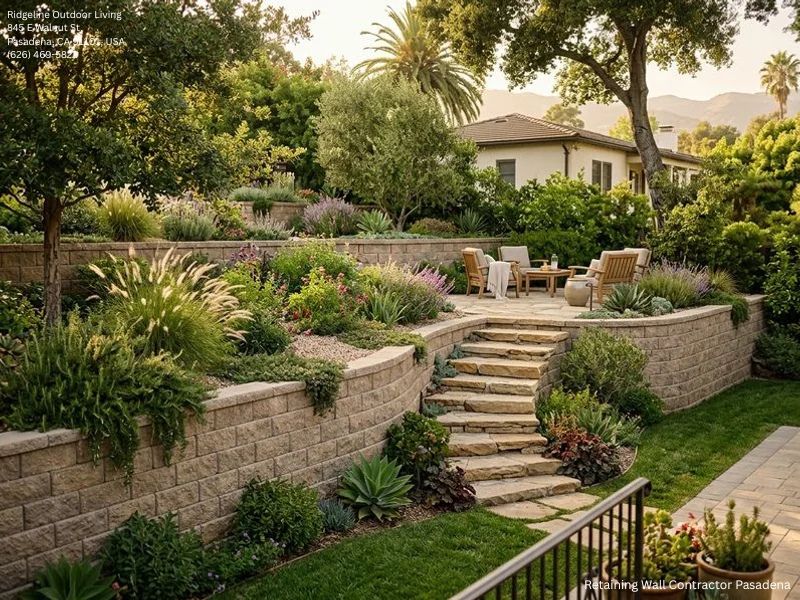
Top Plant Options for Small Outdoor Spaces?
Ideal plant selections keep your small yard balanced, easy to maintain, and attractive year-round.
- Dwarf Shrubs and Small Trees: These provide structure and height without overwhelming the space, ideal for framing garden edges or creating focal points. Creeping Ground Cover: Employ groundcover plants to reduce weeds, stop erosion, and introduce texture and vibrant contrasts in small spaces. Shade-Loving Plants: Perfect for cooler, shaded microclimates under trees or covered patios, adding lushness without sun exposure demands. Succulent Beds and Local Flora: Succulents endure dry environments with low care demands; native species encourage sustainability and adapt easily. Periodical Flowers and Native Wildflowers: Adding seasonal colors invites pollinators, boosting biodiversity and liveliness. Perfumed Plants: Locating scented herbs or flowers near sitting spots enhances sensory delight.
Selecting diverse plants in texture, color, and size yet alike in care produces a harmonious, flourishing small garden.
Incorporating Hardscape Components to Improve Use and Look?
Hardscape components create the core structure of your landscape, pairing function with attractiveness to delineate spaces and raise usability.
- Permeable Paver Patio Designs: Laying permeable pavers facilitates water drainage, decreases runoff, and adheres to environmentally friendly landscaping. Yard Walkways: Decorative stones, mulch, or permeable pavers guide movement through the yard and make the space feel larger by extending sightlines. Raised Beds: Perfect for boosting soil health and reachability, raised beds increase planting area while keeping neat borders. Edging: Precise edging materials keep mulch, stones, and soil unmoved, giving order and structure to garden beds and pathways. Garden Fence and Privacy Screens: These elements mark boundaries, enhance privacy, and serve as backdrops for climbing plants and garden art. Landscape Fabric: Under mulch or decorative stones, landscape fabric blocks weed growth, cutting maintenance effort. Garden Benches and Seating Areas: Strategically placed seating promotes relaxation and socializing.
Deliberate integration of hardscape and softscape elements enhances both the aesthetic and use of your small outdoor space.
How to Design Multifunctional Seating and Social Areas in Small Yards?
Establishing comfortable, adaptable seating zones in a limited space requires smart design and furniture choices that accommodate multiple uses.
- Modular Furniture: Pieces that can be reconfigured offer flexibility to serve intimate gatherings or solo relaxation while utilizing limited space. Built-in Benches with Storage: Combining seating with hidden storage declutters the yard and offers practical convenience. Position Near Garden Art or Water Features: Seating adjacent to focal points like sculptures or small fountains boosts ambiance and encourages outdoor use. Defined Social Zones: Using garden zoning to allocate compact social areas allows clear purpose and flow without crowding. Incorporate Small Lawns or Soft Surfaces: Adjacent soft areas encourage play, relaxation, or exercise in close proximity to seating.
These multifunctional design strategies help your small garden function as a dynamic extension of your living space.
What Sustainable and Low-Maintenance Landscaping Techniques Suit Small Yards?
Sustainable landscaping in small yards lowers environmental impact while ensuring upkeep manageable.
- Native and Drought-Resistant Plants: Selecting sustainable plants minimizes watering, fertilizer use, and pest control. Drip Irrigation Systems: Focused watering preserves water and promotes healthier plants with less waste. Mulch Types Like Bark or Gravel: Mulching preserves moisture, suppresses weeds, and strengthens soil structure. Rain Gardens: Creating rain gardens controls runoff naturally and improves wildlife habitats. Soil Improvement Through Composting: Enhancing soil biologically promotes plant health and resilience. Solar Lights: Solar-powered lighting extends outdoor usability without boosting electric costs.
With these green methods, your small garden continues to be thriving, environmentally conscious, and low maintenance year-round.
How to Increase Privacy and Establish a Sense of Enclosure in Small Yards?
Privacy turns a small garden from an visible area into a serene sanctuary.
- Privacy Screens with Climbing Vines: Merging structural screens with vines diminishes boundaries and develops green walls. Tall Compact Shrubs and Potted Trees: These function as natural dividers without overwhelming spatial constraints. Garden Fences: Traditional fencing delivers physical demarcation and a backdrop for plants and artwork. Layered Vegetation: Planting in layers gives depth and screens sightlines gently and attractively.
Blending varied materials and plants provides privacy without sacrificing openness and charm.
How to Integrate Water Features in Small Yards Without Overwhelming Space?
Water features such as small fountains or rock gardens bring tranquility and sound without using space.
- Choose compact water elements situated near seating or garden art as focal points.Incorporate bird feeders and wildlife habitats to invite beneficial nature visitors.Employ recirculating pumps for sustainable water usage and minimal maintenance.
How Does Garden Lighting Improve Small Yard Usability and Ambiance?
Lighting prolongs use beyond daylight hours and raises mood and safety.
- Solar lights provide energy-efficient illumination for pathways and seating areas.Pathway lighting leads visitors and enlarges space.Mood lighting around garden art or water features adds warmth and charm.
What Tools and Maintenance Practices Are Best for Small Yard Landscaping?
Useful tools and routine care ensure your small yard healthy and attractive.
- Essential garden tools comprise pruning shears, trowels, and watering systems appropriate for confined spaces. Frequent pruning maintains plant size and promotes healthy growth.Soil enrichment through composting maintains plants vigorous in raised beds or containers.Applying irrigation systems customized to small gardens lowers watering time and waste.
Designing Herb and Edible Gardens in Small Yards
Herb gardens and edible plants increase the utility and pleasure of small outdoor areas.
- Container gardening enables growing herbs achievable even on patios or balconies.Aromatic plants act as sensory boosts and culinary resources.Composting kitchen scraps promotes soil fertility naturally.
Frequently Asked Questions (FAQ)
Q1: What Are Space-Saving Landscaping Ideas for Small Yards?
A1: Employ vertical gardening, container plants, and compact shrubs. Incorporate multifunctional modular furniture and organize garden zoning neatly to optimize every square foot.
Q2: Which Plants Thrive Best in Small Urban Gardens?
A2: Dwarf trees, native plants, succulents, ground covers, and shade-tolerant species flourish because they acclimate easily and require minimal maintenance in confined spaces.
Q3: How Can I Create Privacy in a Small Outdoor Space?
A3: Privacy screens with climbing vines, tall shrubs, potted trees, and garden fences form effective natural barriers that hardscaping tips hide unwanted views while maintaining beauty.
Q4: Are Water Features Recommended in Small Yards?
A4: Yes, small fountains or rock gardens provide a peaceful, sensory element without overcrowding when carefully placed.
Q5: How Do I Maintain a Small Yard Easily?
A5: Pick low-maintenance sustainable plants, establish efficient drip irrigation systems, spread mulch appropriately, and do regular pruning and soil enrichment.
Conclusion
Designing a small yard effectively in 2025 requires applying minimalist landscaping principles, smart garden zoning, and creative use of vertical and container planting to enhance space and function. By selecting the right combination of compact shrubs, dwarf trees, native and drought-resistant plants, along with integrating hardscape features such as permeable pavers, raised beds, and multifunctional seating, you can turn any small garden into a charming, usable outdoor haven. Sustainable practices and privacy solutions also improve comfort and ease of maintenance, securing your small yard remains a delightful, eco-friendly retreat. Start planning today to unlock the full potential of your small outdoor space!
Ridgeline Outdoor Living
Ridgeline Outdoor Living is a Pasadena-based landscape design-build company serving Greater Los Angeles with custom outdoor living, hardscape, and drought-tolerant landscape solutions. The company specializes in patios, retaining walls, outdoor kitchens, drainage, hillside projects, and turnkey landscape construction, handling projects from design and permitting through final build and warranty.
Address:
845 E Walnut St,
Pasadena,
CA
91101,
United States
Phone: (626) 469-5822
Map: View on Google Maps
Business Hours:
- Monday – Saturday: 8:00 AM – 6:00 PM
- Sunday: Closed
Follow Us: